
Bladder Stone Treatment for Dogs and Cats in Scottsdale, AZ
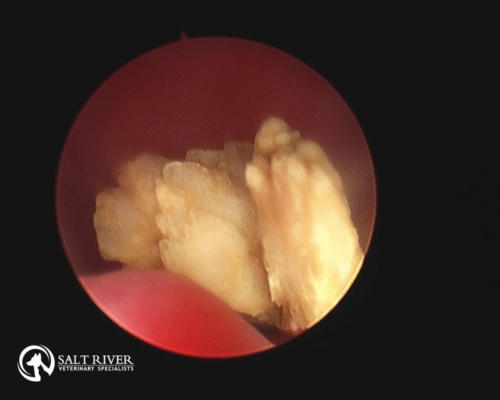
Bladder stones, also called uroliths, are mineral formations that develop in the urinary bladder and can cause pain, bloody urine, straining, and even life-threatening urinary blockages. At Salt River Veterinary Specialists, our specialists diagnose the type and location of stones and offer advanced, minimally invasive options, including laser lithotripsy, that can remove stones without open abdominal surgery in appropriate patients.
What Causes Bladder Stones in Pets?
Bladder stones form when minerals in the urine become concentrated and crystallize. Over time, those crystals clump together into stones that can range from sand-like grit to stones larger than a marble. The most common types in dogs and cats are struvite and calcium oxalate, though urate, cystine, and other stone types also occur. Contributing factors include urinary tract infections, diet, urine pH, genetics, breed predisposition, and underlying conditions such as liver shunts or Cushing’s disease.
Breeds commonly affected include Miniature Schnauzers, Shih Tzus, Bichon Frises, Yorkshire Terriers, Dalmatians, and Lhasa Apsos, while cats of any breed can form stones. Stones can also travel into the urethra, where they may cause a blockage, or form higher in the urinary tract as described on our ureteral obstruction page.
Symptoms of Bladder Stones
- Straining or taking a long time to urinate
- Frequent attempts to urinate with small amounts of urine
- Blood in the urine
- Accidents in the house or urinating outside the litter box
- Licking the genital area or signs of abdominal discomfort
- Inability to urinate, which is an emergency, especially in male cats and dogs
Diagnosing Bladder Stones
Our internal medicine specialists use a combination of urinalysis, urine culture, bloodwork, radiographs, and abdominal ultrasound to identify stones, estimate their size and number, and check for underlying causes. Cystoscopy, a minimally invasive camera examination of the bladder and urethra, allows us to see stones directly and plan the safest method of removal.
Minimally Invasive Treatment Options
Treatment depends on stone type, size, number, and your pet’s anatomy. Some struvite stones can be dissolved with a prescription diet and medication. Many other stones must be physically removed. At Salt River Veterinary Specialists, options may include:
- Laser bladder stone removal (laser lithotripsy), in which a laser fiber passed through a cystoscope breaks stones into tiny fragments that are retrieved or flushed out, with no abdominal incision
- Voiding urohydropropulsion for very small stones that can be flushed from the bladder under anesthesia
- Minimally invasive or traditional surgical removal by our surgical team when stones are too large or numerous, as outlined on our abdominal surgical conditions page
After removal, stones are sent for laboratory analysis, which guides long-term prevention.
Preventing Bladder Stones From Coming Back
Stones commonly recur without a prevention plan. Based on stone analysis, we may recommend a therapeutic diet, increased water intake, medications, and periodic urine testing and imaging. Our team partners with your family veterinarian on follow-up care and can discuss nutrition strategies that support urinary health. Pets with recurrent urinary issues may also benefit from evaluation for ectopic ureters or other anatomic problems. Review our payment options or browse all conditions we treat.
Bladder Stone FAQs
Can bladder stones be removed without surgery?
In many cases, yes. Laser lithotripsy and voiding urohydropropulsion allow us to remove stones without an abdominal incision, and some struvite stones can be dissolved with diet.
Are bladder stones painful for my pet?
Bladder stones often cause discomfort, straining, and inflammation of the bladder lining. Prompt treatment relieves pain and reduces the risk of a blockage.
Is a urinary blockage an emergency?
Yes. A pet who is straining and producing little or no urine needs immediate emergency care, as a blockage can become life threatening within hours.
Will my pet need anesthesia for laser stone removal?
Yes. General anesthesia keeps your pet still and comfortable and allows our team to remove all stone fragments thoroughly.
Why do you analyze the stones after removal?
Stone analysis identifies the mineral type, which determines the best diet and medication plan to prevent new stones from forming.
Do bladder stones come back?
Recurrence is common without prevention. Following a tailored diet and monitoring plan significantly lowers the chance of new stones.
Is every pet a candidate for laser lithotripsy?
No. Stone size, number, location, and your pet’s size and anatomy determine candidacy, so our specialists evaluate each patient carefully.
Get Answers for Your Pet’s Urinary Health
If your pet has been diagnosed with bladder stones or is showing urinary symptoms, our specialists can help. Call Salt River Veterinary Specialists at (480) 819-8630 to schedule a consultation in Scottsdale, AZ .