
Advanced Wound Care and Reconstructive Surgery in Scottsdale, AZ
Large, infected, or slow-healing wounds can be painful and frustrating for pets and families. At Salt River Veterinary Specialists, our board-certified surgeons provide advanced wound management and reconstructive surgery for dogs and cats with traumatic injuries, chronic non-healing wounds, and tissue defects left after tumor removal, with the goal of restoring comfort, function, and appearance.
Wounds That May Need Specialty Care
- Bite wounds and lacerations from fights or accidents
- Degloving injuries, in which skin is torn away from underlying tissue
- Burns and thermal injuries, including from hot pavement during Arizona summers
- Chronic, non-healing, or recurrent wounds
- Draining tracts, sometimes associated with foreign material or infections such as Valley Fever
- Large skin defects after removal of tumors through cancer surgery
- Pressure sores in immobile or recumbent patients
Advanced Wound Management
Successful wound healing starts with a thorough evaluation of the injury, infection, blood supply, and your pet’s overall health. Depending on the wound, our team may use surgical debridement to remove damaged tissue, cultures to guide antibiotic choice, specialized dressings and bandages, and negative pressure wound therapy to promote healthy tissue growth. Imaging such as ultrasound may be used to look for hidden foreign material or fluid pockets.
Reconstructive Surgical Techniques
When wounds are too large to close directly, our surgeons use reconstructive techniques to move healthy skin into the defect, including:
- Tension-relieving techniques that allow closure of larger wounds
- Local skin flaps that rotate or advance nearby skin
- Axial pattern flaps that move skin with its own dedicated blood supply
- Skin grafts for wounds on the limbs and other areas without nearby skin
Reconstruction is often planned alongside tumor removal so that wide margins can be achieved while preserving function.
Recovery and Aftercare
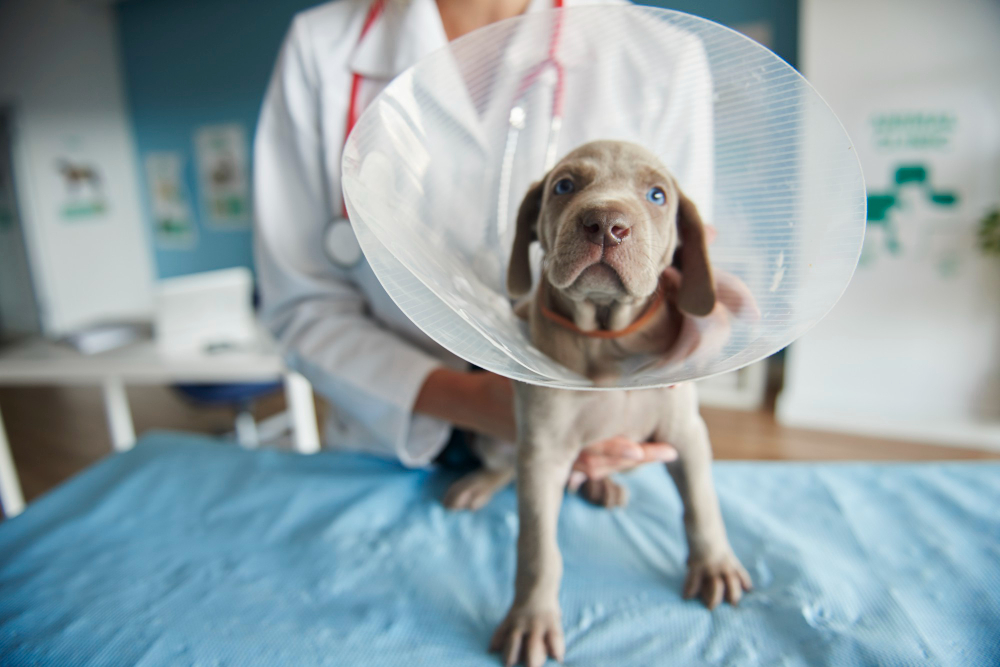
Wound healing takes time and commitment. Many patients need bandage changes, activity restriction, an e-collar, and recheck visits. We provide detailed home-care instructions and coordinate with your family veterinarian so care stays consistent. Pets with traumatic injuries may also need evaluation for orthopedic conditions or chest injuries, and our team can perform thoracic radiography as part of a complete trauma evaluation. Learn more on our abdominal surgical conditions page, review payment options, or explore all conditions we treat.
Wound Care and Reconstruction FAQs
When should a wound be seen by a specialist?
Large, deep, infected, or non-healing wounds, and wounds left after tumor removal, may benefit from specialty surgical care.
What is negative pressure wound therapy?
It uses a sealed dressing and gentle suction to remove fluid and encourage healthy tissue growth in difficult wounds.
What is a skin flap?
A skin flap moves nearby healthy skin, with its blood supply, to cover a wound that cannot be closed directly.
How long do wounds take to heal?
Healing time varies from a few weeks to several months depending on wound size, location, and infection.
Will my pet need bandage changes?
Many wounds require regular bandage changes, which our team performs or teaches you to do at home when appropriate.
Can hot pavement cause burns on pets?
Yes. Arizona pavement can burn paw pads in summer, and severe burns may require specialized wound care.
Do you coordinate with my family veterinarian?
Yes. We share updates and coordinate rechecks so care is consistent throughout healing.
Help Your Pet Heal
Call Salt River Veterinary Specialists at (480) 819-8630 or request an appointment online to schedule a wound care consultation.